

What Happens During a Personal Injury Deposition?
When an injury claim turns into a lawsuit, the legal process begins to follow formal procedures established by court rules.
One of the most important steps in that process is called a deposition.
For many people involved in injury cases, a deposition can feel intimidating simply because it is unfamiliar. However, depositions are a routine part of litigation and serve an important purpose in helping both sides understand the facts of a case.
Understanding what happens during a personal injury deposition can help clarify how lawsuits progress and why depositions are an important part of the discovery process.
What Is a Deposition?
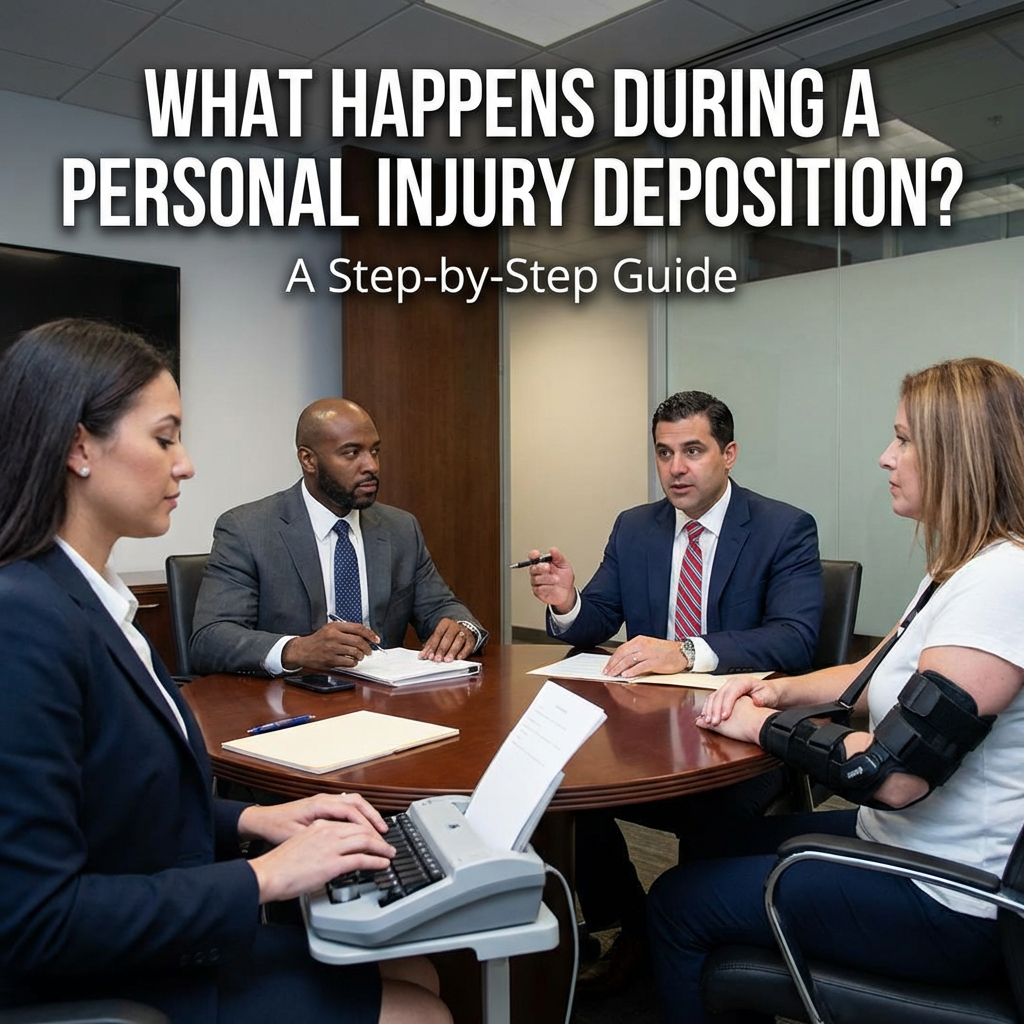
A deposition is a formal question-and-answer session conducted under oath.
During a deposition:
-
a witness answers questions
-
attorneys from both sides may ask those questions
-
a court reporter records everything that is said
-
the testimony becomes part of the official case record
Although depositions usually take place outside of a courtroom, the witness is still under oath, meaning the testimony carries the same legal obligation to tell the truth as courtroom testimony.
Depositions allow attorneys to gather information about the case before trial.
Why Depositions Are Used in Injury Cases
Depositions serve several purposes in personal injury lawsuits.
They allow attorneys to:
-
learn more about the facts of the accident
-
understand the injuries involved
-
evaluate the credibility of witnesses
-
clarify medical treatment history
-
identify areas of agreement or dispute
Depositions help both sides prepare their case by understanding what witnesses will say if the case eventually goes to trial.
In many situations, depositions also help encourage settlement discussions by clarifying the strengths and weaknesses of each side’s arguments.
Who May Be Deposed in an Injury Case?
Several different individuals may give deposition testimony in a personal injury lawsuit.
Common examples include:
-
the injured person (plaintiff)
-
the defendant involved in the accident
-
eyewitnesses to the incident
-
treating physicians
-
medical experts
-
accident reconstruction experts
Each deposition focuses on the specific role that person plays in the case.
For example, a treating physician may be asked questions about the diagnosis, treatment plan, and long-term prognosis of the injury.
Where Depositions Take Place
Depositions typically occur in professional settings rather than in courtrooms.
Common locations include:
-
law offices
-
conference rooms
-
court reporting offices
-
remote video conference sessions
In recent years, many depositions have been conducted through secure video conferencing platforms.
Regardless of the location, the process remains formal because the testimony is recorded under oath.
What Questions Are Asked During a Deposition?
The types of questions asked during a deposition depend on the witness and the facts of the case.
When the injured person is deposed, questions often focus on several topics.
Background Information
Attorneys may begin with basic information such as:
-
employment history
-
education
-
prior injuries
-
medical history
-
daily activities
These questions help establish context about the witness.
Details of the Accident
The deposition will often include questions about how the accident occurred.
Examples may include:
-
where the accident happened
-
what the witness observed before the collision
-
how the vehicles were positioned
-
what actions each driver took
-
road and traffic conditions
These questions help clarify liability issues.
Injuries and Medical Treatment
Attorneys frequently ask detailed questions about injuries and treatment.
These questions may address:
-
symptoms experienced after the accident
-
when medical treatment began
-
the types of doctors visited
-
diagnostic tests performed
-
physical therapy or other treatment received
-
current physical limitations
Medical documentation often becomes an important part of these discussions.
Daily Life and Limitations
Injury claims often involve discussions about how the accident affected daily life.
Questions may explore:
-
physical limitations
-
changes in work ability
-
difficulty performing household tasks
-
changes in recreational activities
These questions help evaluate the broader impact of the injury.
How Long Depositions Last
The length of a deposition depends on the complexity of the case and the number of topics involved.
Some depositions last:
-
one to two hours
Others may last:
-
several hours
-
a full day in complex cases
Court rules in many jurisdictions set limits on how long depositions may continue without court approval.
The Role of Attorneys During a Deposition
Both sides’ attorneys participate in depositions.
One attorney asks questions, while the other may raise objections if necessary.
Common objections may involve:
-
unclear questions
-
improper questioning
-
requests for privileged information
Although objections may occur, the witness usually still answers the question unless the objection involves a specific legal privilege.
Attorneys use depositions to gather information and evaluate how witnesses present their testimony.
The Importance of Accuracy
Because deposition testimony is recorded and transcribed, accuracy is extremely important.
The court reporter produces a written transcript of the deposition that may later be used in court proceedings.
For example, deposition testimony may be used to:
-
challenge inconsistent statements
-
clarify earlier testimony
-
present evidence at trial if a witness is unavailable
For this reason, witnesses are expected to answer questions truthfully and carefully.
How Depositions Affect Settlement Discussions
Depositions often influence how personal injury cases develop.
Once both sides hear the testimony of key witnesses, the strengths and weaknesses of the case may become clearer.
This information sometimes helps both parties evaluate the risks of continuing litigation.
In many cases, depositions contribute to renewed settlement discussions.
As discussed in How Insurance Companies Decide What Your Case Is Worth, insurers often evaluate litigation risk when deciding how to approach negotiations.
Depositions can provide valuable information that affects that evaluation.
Why Depositions Are a Normal Part of Litigation
For individuals unfamiliar with the legal system, depositions may feel stressful or intimidating.
However, they are a standard part of the discovery process in civil litigation.
Depositions help ensure that both sides have access to relevant information before trial.
This process promotes fairness by allowing each side to prepare its case using the same body of evidence.
The Bigger Perspective
Personal injury lawsuits involve several stages designed to gather information and evaluate claims.
Depositions are one step in that process.
They allow attorneys to understand how witnesses describe events, injuries, and treatment.
The information gathered during depositions often plays a role in shaping the direction of the case.
The Takeaway
A personal injury deposition is a formal process in which witnesses answer questions under oath before trial.
Depositions help attorneys:
-
gather information
-
clarify facts
-
evaluate testimony
-
prepare for trial
Although the process may seem unfamiliar at first, depositions are a routine part of personal injury litigation and serve an important role in helping both sides understand the details of a case.