

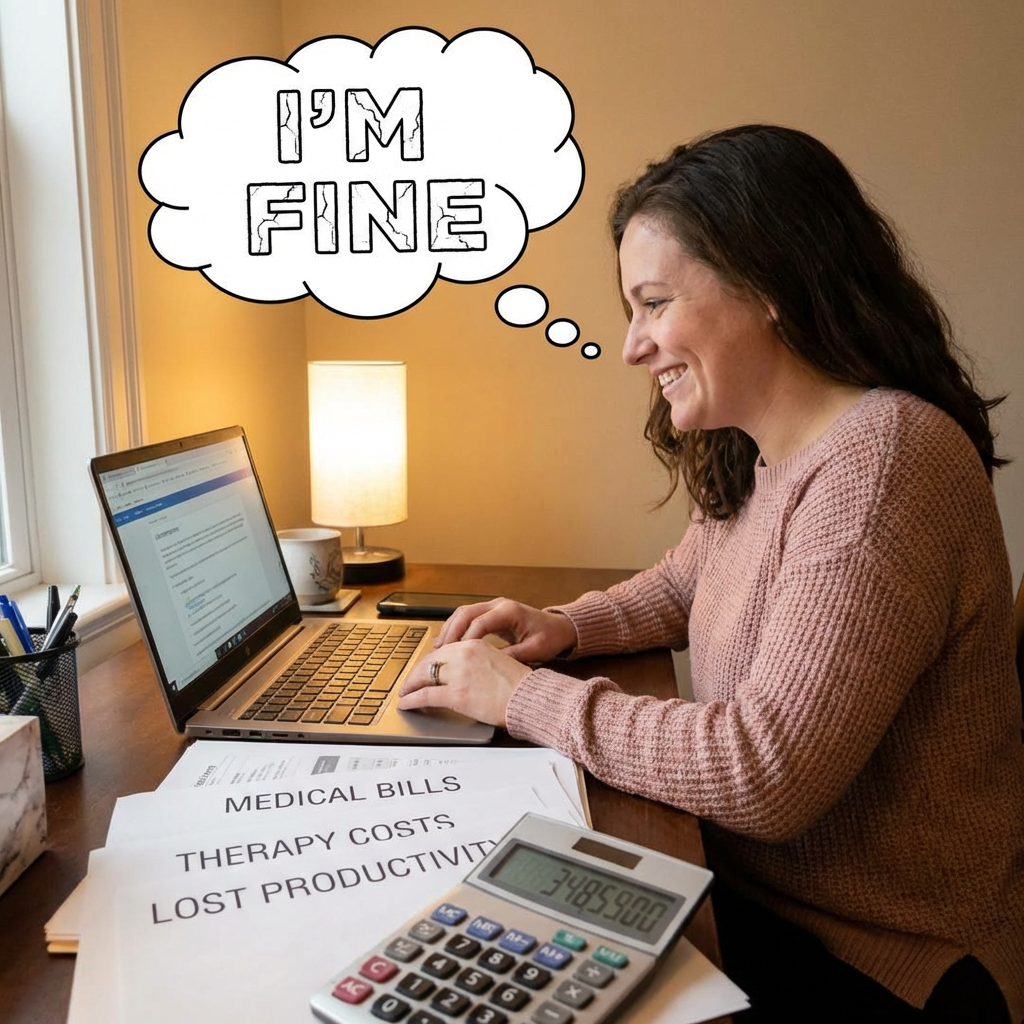
Why Saying “I’m Fine” Can Cost You Thousands
One overlooked part of what to do after an accident is being careful about early statements regarding injuries. After an accident, one of the most common things people say is also one of the most damaging:
“I’m fine.”
It’s usually said casually, without much thought. Sometimes it’s meant to reassure others. Sometimes it’s said out of politeness, shock, or embarrassment. Other times, it’s simply a reflection of how the person feels in that exact moment.
But in the context of an accident and an injury claim, those two words can quietly undermine an otherwise legitimate case — and cost thousands of dollars in compensation.
Why People Say “I’m Fine” After an Accident
Most people are not lying when they say they’re fine. They’re reacting normally to an abnormal situation.
Immediately after an accident, people often feel:
-
Disoriented or shaken
-
Focused on getting out of the situation
-
Embarrassed or apologetic
-
Eager to calm things down
-
Unsure how badly they’re hurt
There’s also a powerful biological factor at play.
Adrenaline Masks Pain More Than People Realize
After a sudden traumatic event, the body releases adrenaline and stress hormones. This fight-or-flight response can temporarily suppress pain, sharpen focus, and allow people to function through shock.
As a result:
-
Neck and back pain may not appear right away
-
Headaches and dizziness can be delayed
-
Muscle stiffness often develops hours later
-
Concussion symptoms may emerge the next day
It is extremely common for someone to feel “okay” immediately after an accident and then feel significantly worse later that day or the next morning.
From a medical standpoint, this is normal. From an insurance standpoint, it becomes a point of scrutiny.
Who Hears “I’m Fine” — and Why It Matters
When people say “I’m fine,” they rarely think about who might later rely on that statement.
Those words can end up:
-
In a police report
-
In an insurance adjuster’s notes
-
In a recorded statement
-
Repeated by witnesses
-
Quoted during settlement negotiations
Once documented, early statements often become the benchmark insurers use to evaluate everything that follows.
How Insurance Companies Use Early Statements
Insurance companies are not focused on what feels fair. They focus on documentation, consistency, and timelines.
When someone says they were “fine” at the scene, insurers may later argue:
-
The injury was minor or nonexistent
-
Symptoms developed later for unrelated reasons
-
The person exaggerated injuries after the fact
-
Medical treatment was unnecessary or excessive
Even when injuries are real, those early words can create doubt — and doubt almost always reduces claim value.
The Problem With Definitive Statements
The real issue isn’t honesty. It’s certainty too early.
In the minutes or hours after an accident, you usually don’t yet know:
-
The full extent of your injuries
-
Whether symptoms will worsen
-
What a medical professional will diagnose
-
Whether treatment will be required
-
How long recovery will take
Saying “I’m fine” is a definitive statement made before all the facts are available.
Later, when injuries become clear, insurers may point back to that early certainty and suggest your later complaints are inconsistent.
Why Soft-Tissue and Head Injuries Are Most Affected
Statements like “I’m fine” are especially damaging in cases involving:
-
Whiplash
-
Neck and back injuries
-
Soft-tissue strains and sprains
-
Concussions and mild traumatic brain injuries
These injuries often rely on symptom reporting, physical exams, and treatment progression rather than a single definitive test.
When early statements suggest no injury, insurers may argue that later pain is subjective, exaggerated, or unrelated — even when medical records support the injury.
The Timeline Insurance Companies Care About
Insurance companies often build claims around a timeline:
-
Accident occurs
-
Statements are made
-
Medical care begins
-
Symptoms are documented
When the timeline shows:
-
“No injury” early
-
Treatment later
Insurers may claim the accident did not cause the injury — or did not cause it to the extent claimed.
This is one of the most common reasons legitimate injury claims are undervalued.
Why People Try to Minimize Injuries
Many people minimize injuries because they:
-
Don’t want to seem dramatic
-
Don’t want to cause trouble
-
Assume pain will resolve
-
Are focused on property damage
-
Want to go home and move on
Unfortunately, insurance companies don’t view these motivations the same way injured people do. They view early minimization as evidence.
What to Say Instead of “I’m Fine”
You don’t need to exaggerate or be uncooperative. You also don’t need to assume the worst.
If asked about injuries, safer alternatives include:
-
“I’m not sure yet.”
-
“I’d like to be checked out.”
-
“I don’t feel much right now, but I want to monitor it.”
-
“I need medical evaluation to know for sure.”
These responses are honest and accurate — and they leave room for symptoms to develop without creating contradictions later.
Why Medical Evaluation Matters Even More After “I’m Fine”
If someone initially says they’re fine and later seeks treatment, medical documentation becomes even more important.
Prompt evaluation helps:
-
Explain delayed symptoms
-
Document progression of pain
-
Establish causation
-
Support credibility
Waiting days or weeks after saying you’re fine makes it easier for insurers to argue that something else caused the injury.
This Isn’t About Being Suspicious — It’s About Being Accurate
Being cautious with language doesn’t mean being deceptive. It means recognizing that early moments after an accident are unreliable indicators of injury severity.
You can be honest and still acknowledge uncertainty.
Many people who say “I’m fine” genuinely believe it — until they aren’t.
Final Thought
Saying “I’m fine” after an accident feels harmless, but it can quietly shape how an injury claim is evaluated from the very beginning. Insurance companies rely on early statements to create narratives, and later evidence is often judged against those first words.
Being careful doesn’t mean assuming you’re seriously injured. It means allowing space for facts to develop before locking yourself into a conclusion.
If you were injured in an accident and are concerned about early statements or delayed symptoms, speaking with a personal injury lawyer early can help you understand how those early moments may affect your options.